
Polyurethane Screen Mesh Factory Price
Confused by the wide price range for polyurethane screen mesh? Choosing based on price alone can be a costly mistake. I'll help you understand the real value.
The price of polyurethane screen mesh is mainly set by raw materials, specifications like aperture and size, and order quantity. Premium materials and custom designs cost more upfront but offer far better long-term value and durability compared to cheaper, less reliable options.

You see, just looking at the price tag doesn't tell the whole story. I've learned that the initial cost is only one small piece of the puzzle. To really understand what you're paying for and to make a smart investment, you need to dig into what actually drives that price up or down. It’s about more than just a number on a quote. Let's break down the key factors that influence how much you'll ultimately pay for your screen mesh, so you can choose wisely and get the best return for your operation.
What Factors Really Determine Polyurethane Screen Mesh Price?
Struggling to compare quotes for screen mesh that seem all over the place? It feels like you're not comparing apples to apples, making it tough to budget accurately.
Key price factors include the quality of the raw polyurethane, specific dimensions like aperture and thickness, whether it's a standard or custom design, and the manufacturing process. Your total order volume also significantly impacts the final unit cost you receive.
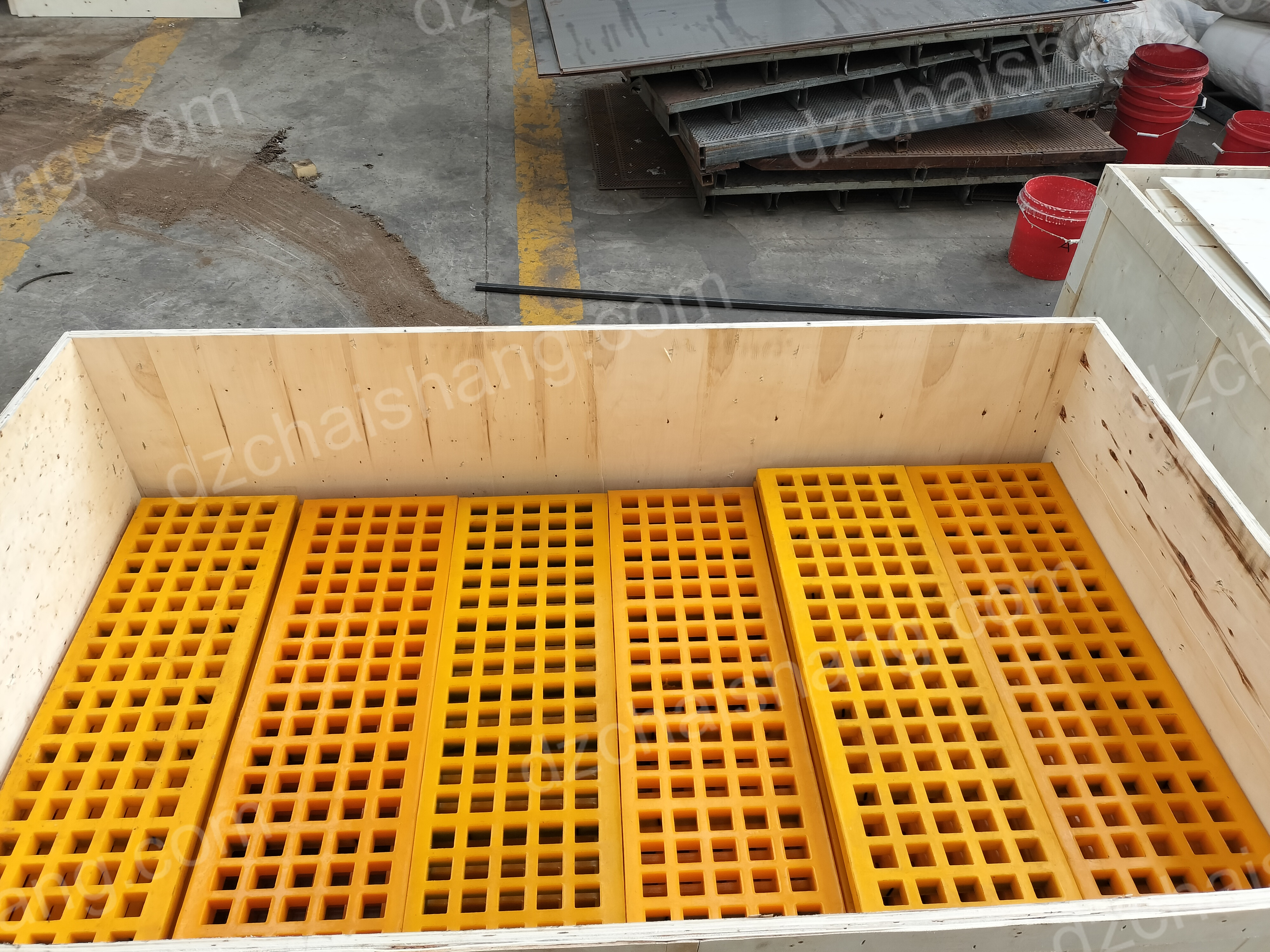
When I get quotes from different suppliers, I don't just look at the bottom line. I break it down to see what's really behind the numbers. It’s important to understand these details because they directly affect performance and long-term cost.
1. Raw Materials & Specifications
The biggest price driver is the quality of the polyurethane itself. Top-grade polyurethane from reputable sources has superior wear resistance and flexibility, but it costs more. A cheaper mesh probably uses lower-grade or recycled materials, which will wear out much faster. Then you have the specifications. A screen with a tiny aperture, a thick profile, or a very large overall size requires more material and more precise manufacturing, which increases the price. If you need a custom design with a unique bolt pattern or frame, the supplier may need to create a new mold, and that initial tooling cost is often factored into your price.
2. Order Quantity & Supplier Choice
Like with most industrial products, buying in bulk helps. Placing a large order for dozens of screens will get you a much better per-unit price than buying just one or two. Manufacturers can optimize their production runs for larger quantities, and they pass those savings on to you. Also, consider the supplier. A direct manufacturer will almost always offer a better price than a trading company or a local distributor, who has to add their own margin. I always try to find the source factory.
3. The Hidden Cost of "Cheap"
I've learned the hard way that the cheapest option is rarely the most cost-effective. A low-priced screen might save you money today, but it will cost you more in the long run.
| Feature | Low-Price Mesh | High-Quality Mesh |
|---|---|---|
| Initial Cost | Low | Higher |
| Lifespan | Short (e.g., 3-6 months) | Long (e.g., 12-24+ months) |
| Downtime | Frequent stops for replacement | Minimal stops for maintenance |
| Labor Cost | High (frequent changes) | Low (infrequent changes) |
| Total Cost | High | Low |
As you can see, the frequent replacements, lost production during downtime, and labor costs associated with a cheap screen add up quickly, making the high-quality screen the smarter financial choice over its lifetime.
Why Is Polyurethane a Cost-Effective Choice for Vibrating Screens?
Are your metal screens wearing out too fast on your vibrating screens? Constant downtime and replacement costs are likely eating into your production time and profits.
Polyurethane mesh is highly cost-effective for vibrating screens because its superior wear resistance is 3-8 times that of metal. This drastically reduces downtime and replacement frequency. The higher initial cost is quickly offset by a much lower total cost of ownership.
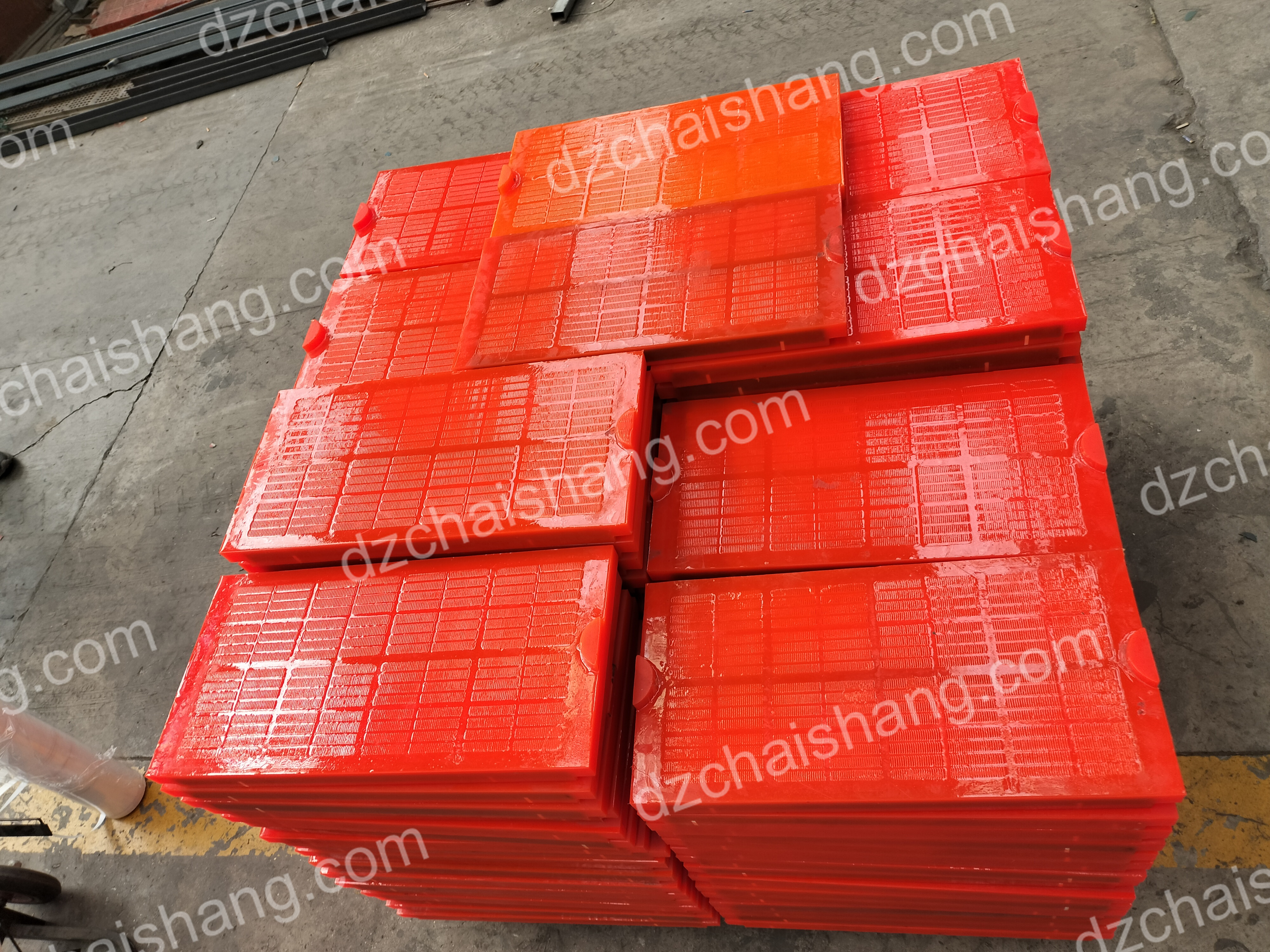
When I first compared the price of a polyurethane screen to a standard wire mesh screen, the PU screen was clearly more expensive. I was hesitant. But after running them in a high-impact mining operation, I realized the initial price is misleading. The true value of polyurethane becomes obvious when you look at the total operational cost, not just the purchase price. It’s a perfect partner for the demanding environment of a vibrating screen.
1. Unmatched Durability and Lifespan
Vibrating screens are brutal on equipment. They operate with high-frequency vibrations while being constantly hit by abrasive materials like rock, sand, or ore. This is where polyurethane shines. Its material properties give it incredible resistance to abrasion and tearing. In applications where a metal screen might last only a few months, a high-quality polyurethane screen can last for a year or more. I’ve seen it extend the replacement cycle by 3 to 8 times. This means fewer shutdowns for maintenance, less labor spent on change-outs, and most importantly, more uptime for your plant. The production gains alone often justify the cost.
2. Better Efficiency and Consistency
Another problem with metal wire mesh is "pegging" or "blinding," where near-size particles get stuck in the apertures, blocking the screen. Polyurethane is a flexible, elastic material. During vibration, the screen surface flexes slightly, which helps to dislodge any stuck particles. This self-cleaning effect keeps the apertures open and ensures consistent, accurate screening throughout the day. You get a more stable product quality and better overall throughput because the screen isn’t getting blocked up.
3. Lower Overall Operational Strain
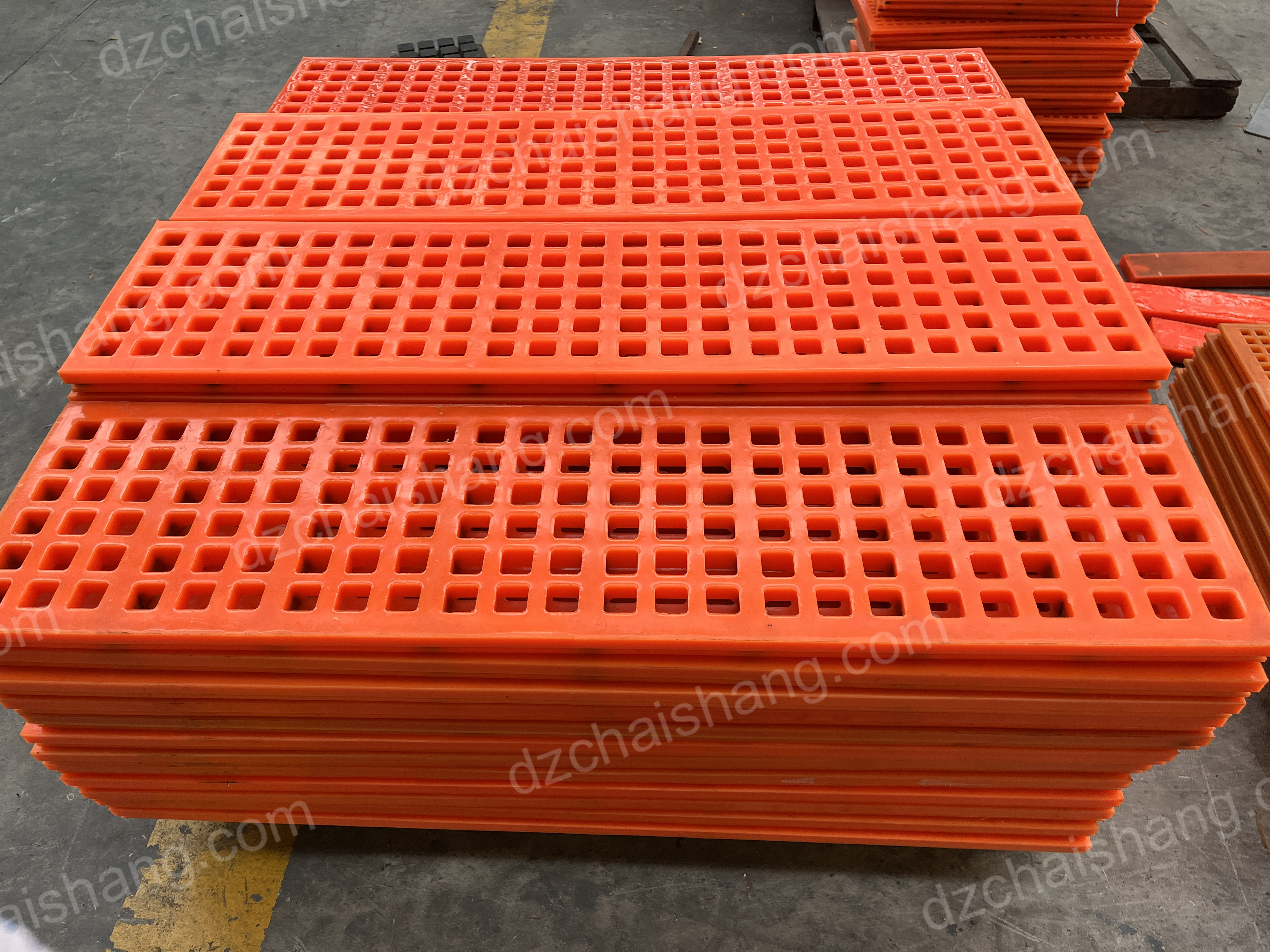
Here’s something many people overlook: polyurethane screens are much lighter than their steel counterparts. This reduces the total dynamic load on the vibrating screen’s structure, bearings, and motor. Less weight means less strain, which can lead to a longer life for the entire machine and lower energy consumption. As a bonus, the elastic nature of PU absorbs impact and significantly reduces the loud, clanging operational noise, creating a safer and more pleasant work environment for everyone in the plant. When you add up the savings from longer life, less downtime, and reduced wear on your machinery, polyurethane is the clear winner for cost-effectiveness.
Conclusion
Choosing the right polyurethane screen isn't about the lowest price. It's about finding the best value for your needs to maximize efficiency and achieve real long-term savings.