
How Much Does Polyurethane Screen Mesh Really Cost?
Confused by the wide range of screen mesh prices? Choosing the wrong one can cost you more in downtime and replacements. Let's break down the true value.
The price of polyurethane screen mesh is mainly determined by raw material quality, specifications like aperture and thickness, and your order quantity. High-quality, custom screens cost more upfront but deliver a lower total cost of ownership through superior durability and efficiency, making them a smarter investment.
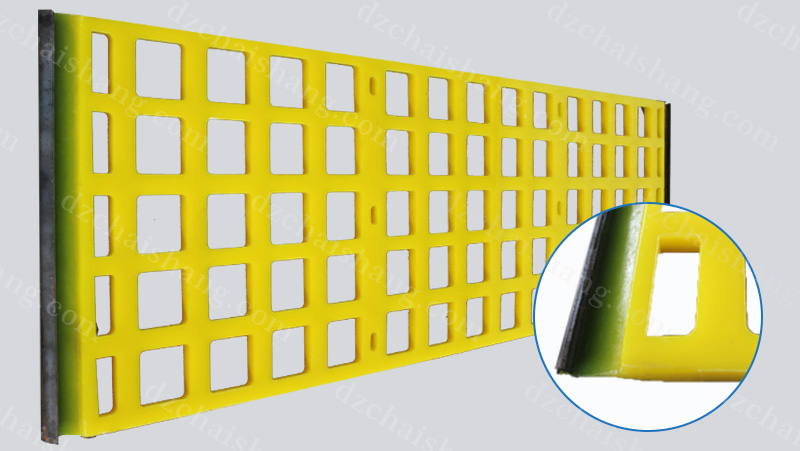
I've been in this business for a long time, and the one question I get asked constantly is about price. It's easy to get a quote, but much harder to understand what you're actually paying for. The sticker price is just the beginning of the story. To really understand the cost, you have to look deeper at what goes into making a screen and how it will perform in your specific operation. Let's dive into the details that really matter.
What Factors Actually Determine Polyurethane Screen Mesh Prices?
Are you just looking at the initial price tag? This can be a costly mistake, as hidden costs from poor quality can quickly drain your budget. Let's look at what's behind the price.
Key price factors include the grade of polyurethane raw material1, screen specifications like aperture and size, manufacturing complexity, and any customization. Your order volume also plays a big role, as bulk purchases often secure better pricing from the factory.
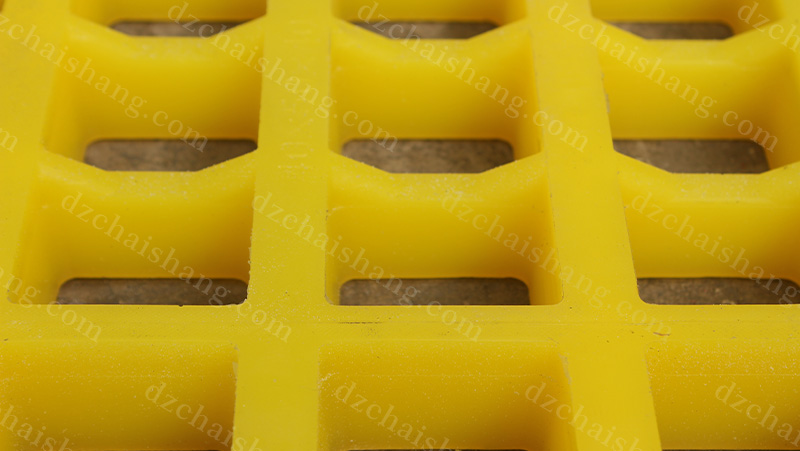
In my experience, the price difference you see in the market comes down to a few core things. It's not just about a supplier being "cheap" or "expensive." It's about the choices they make in production. A low-cost screen often uses lower-grade raw materials. It might look fine at first, but it will wear out quickly, forcing you to stop production and replace it. This downtime is a huge hidden cost. A premium screen, on the other hand, uses high-performance polyurethane that justifies its higher initial price through a much longer service life.
Key Price Drivers
- Raw Materials: The quality of the polyurethane polymer is the single biggest factor. Top-tier materials offer incredible wear and tear resistance but cost more to source.
- Specifications & Customization: The price changes based on the screen's thickness, aperture size, and overall dimensions. A standard size will be cheaper than a fully custom panel designed to fit your specific machine, which requires custom molds and more engineering work.
| Factor | Low-Cost Impact | High-Cost Impact |
|---|---|---|
| Material | Lower grade PU, shorter life | High-performance PU, long life |
| Specs | Standard sizes, common apertures | Custom dimensions, precise apertures |
| Volume | Small, one-time orders | Large, recurring bulk orders |
| Process | Simple molding process | Complex, precision manufacturing |
Why Are PU Screens a Cost-Effective Choice for Vibrating Screens?
Are you tired of constantly replacing metal screens on your vibrating equipment? The constant downtime is probably killing your productivity and profits. There's a much smarter long-term solution.
Polyurethane screens are highly cost-effective for vibrating screens because their wear life is 3 to 8 times longer than metal. This drastically reduces downtime, replacement labor, and maintenance costs, giving you a much lower total cost of ownership despite a higher initial price.
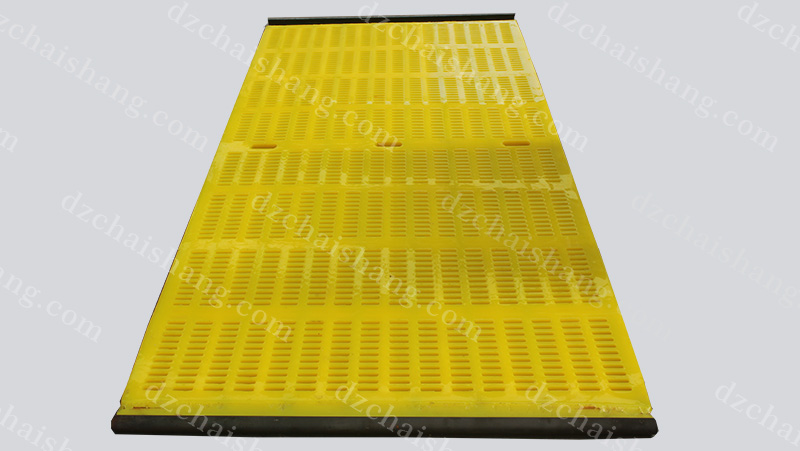
I always recommend PU screens for vibrating screeners, and for a good reason. I've seen the difference they make firsthand. A vibrating screen puts incredible stress on a screen panel with constant high-frequency vibration and material impact. Metal screens just can't hold up under these conditions for very long. Polyurethane, however, is perfectly suited for this job. Its natural elasticity allows it to absorb impact without tearing or deforming. This means it lasts so much longer, especially in tough applications like mining and aggregate processing.
Performance and Financial Benefits
The longer lifespan directly translates to more uptime and higher production output. You're not stopping the plant every few weeks to change out worn screens. The material's flexibility also helps prevent particles from getting stuck in the openings, a common problem known as blinding or pegging. This keeps your screening accuracy consistent.
Total Cost Comparison
| Cost Factor | Metal Screen | Polyurethane Screen |
|---|---|---|
| Initial Price | Lower | Higher |
| Lifespan | 1x | 3x - 8x |
| Replacements | Frequent | Infrequent |
| Downtime Cost | High | Low |
| Total Cost | Much Higher | Much Lower |
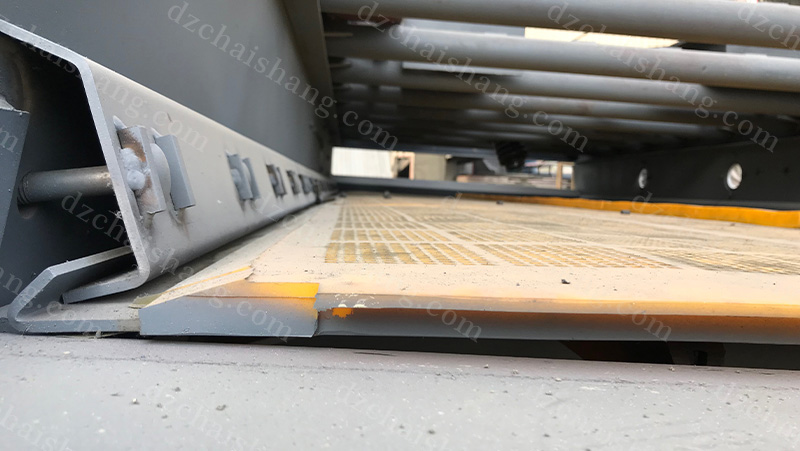
When you add up the cost of the screens, the labor to change them, and the lost production from downtime, the PU screen is the clear winner. It's a classic case of paying a bit more now to save a lot more later.
Conclusion
Ultimately, choosing the right screen isn't about finding the cheapest price. It's about finding the best value and most cost-effective solution for your specific operation and equipment.