
Are Polyurethane Screens Really a Better Investment Than Metal Screens?
Tired of constant screen replacements and production downtime? These issues halt your operation and inflate maintenance costs. A polyurethane screen could be your long-term, cost-effective solution.
Yes, polyurethane screens are a better long-term investment. They offer superior wear life, which cuts down on replacement frequency and maintenance costs. Their lightweight design and self-cleaning properties also improve operational efficiency, making them more cost-effective over time despite a higher initial price.

I’ve seen the difference firsthand in my operations. But you are probably wondering what really makes them so much better than the traditional metal screens we've used for years. It's easy to stick with what you know, but the numbers don't lie. I want to walk you through the specific advantages I've discovered from using them in the field. This isn't just about what a datasheet says; it's about real-world results that can save you a lot of money and headaches. Let's get into the details.
Why Do Polyurethane Screens Last So Much Longer?
Are your metal screens wearing out almost every few weeks? This means constant downtime for your whole production line and frustrating maintenance schedules that eat into your profits.
Polyurethane screens last much longer because of their material properties. The high-performance polymer is naturally more abrasion-resistant than steel. Its elasticity allows it to absorb impact and resist tearing, extending its service life by 5 to 8 times compared to metal screens.
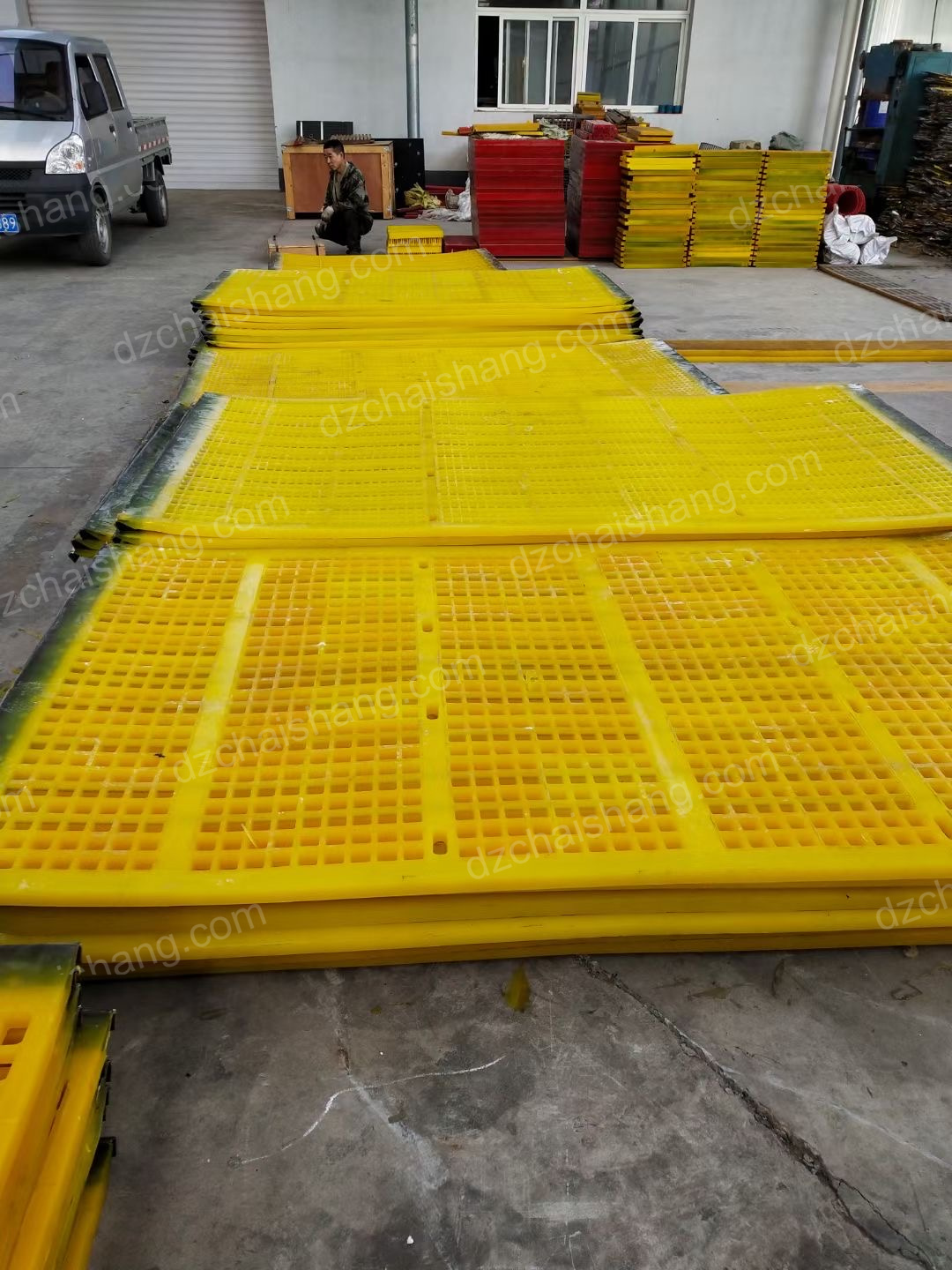
When I first heard that a polyurethane screen could outlast a metal one by that much, I was skeptical. But after making the switch, the proof was in the pudding. In our mining operations, we were replacing metal screens almost weekly in high-impact areas. Each replacement meant shutting down a key piece of equipment, pulling a mechanic off another job, and losing valuable production time. When we switched to polyurethane, our replacement schedule changed dramatically. We went from almost 50 replacements a year on one machine to just two or three. The durability is simply on another level.
Understanding the Wear Resistance
The core of the issue is how the materials handle abrasive and high-impact materials like crushed stone or ore.
- Metal's Weakness: Metal is rigid. When a sharp rock hits it, the energy has nowhere to go but to gouge or break the metal wire. Over thousands of impacts, the screen just wears away.
- Polyurethane's Strength: Polyurethane is elastic. When that same rock hits the surface, the material flexes, absorbs the impact energy, and bounces back. It resists cutting and tearing in a way that rigid metal just can't.
Here is a simple breakdown of what that meant for my maintenance budget and uptime.
| Feature | Traditional Metal Screen | Polyurethane Screen |
|---|---|---|
| Typical Lifespan | 1-3 Months | 12-18 Months |
| Replacements Per Year | 4-12 Times | 1-2 Times |
| Material Response | Rigid, Prone to Tearing | Elastic, Absorbs Impact |
| Best For | Low-Impact, Dry Screening | High-Impact, Wet & Abrasive |
This extended lifespan directly translates into fewer shutdowns, lower labor costs for maintenance, and most importantly, more consistent production.
Can Lighter Screens Really Make a Big Operational Difference?
Do you dread changing screens because of how heavy and awkward they are? The physical strain on your team and the load on your equipment are real problems.
Yes, lighter screens make a huge difference. Polyurethane screens are about 80% lighter than steel ones. This makes installation faster and safer, often manageable by a single person. It also reduces the structural load on the screening equipment, lowering energy use and machine wear.
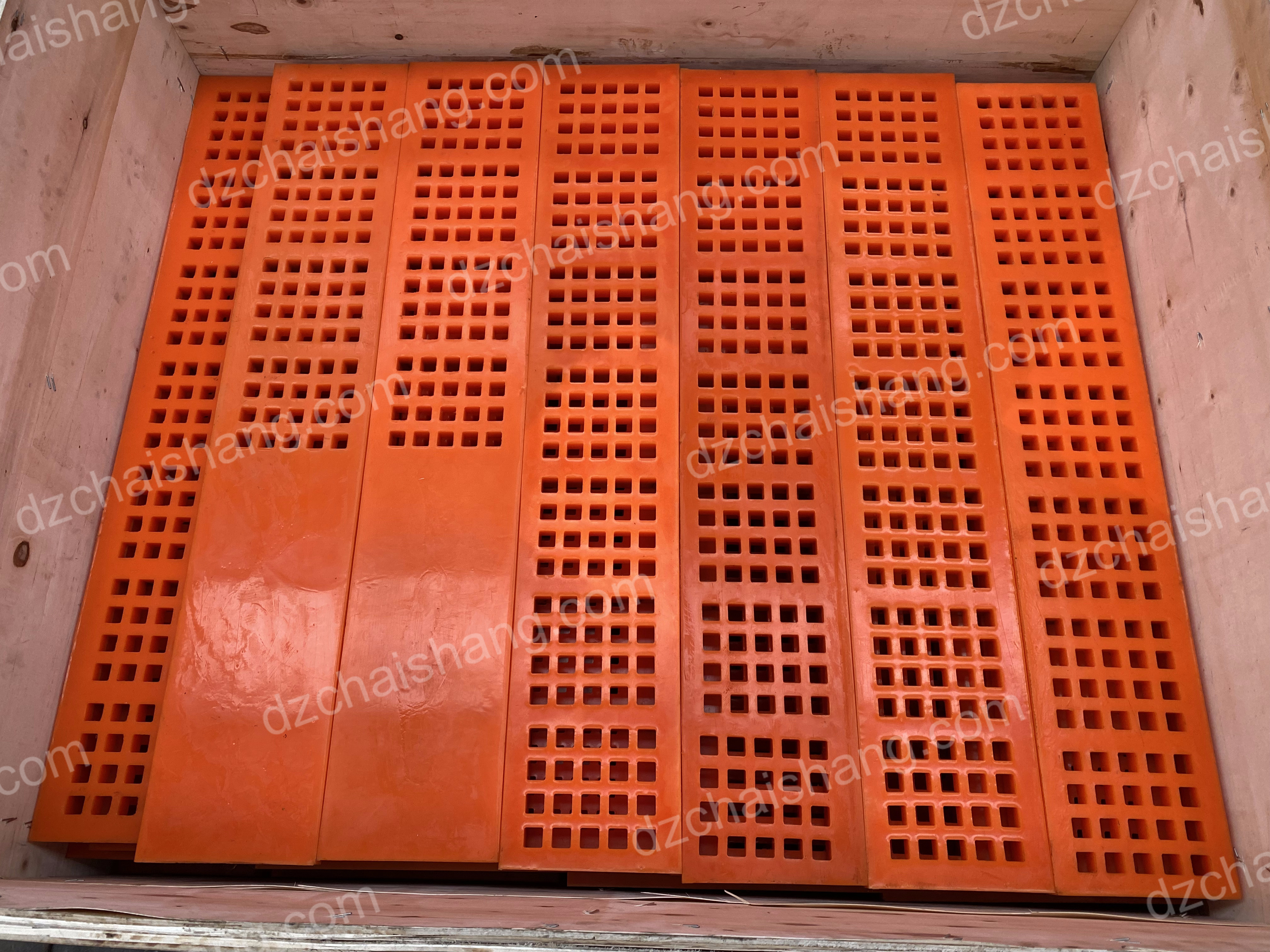
I remember one time we had to change a large metal screen. It took two people and a lot of effort just to maneuver it into place. It was not only slow but also a safety risk. The first time we installed a polyurethane screen of the same size, one person handled it easily. This was a game-changer for our maintenance team. The process became faster, safer, and less physically demanding. The reduced weight also has benefits you might not think about at first. Your vibrating screen doesn't have to work as hard to move the mass of the screen itself, which can lead to lower energy consumption and less stress on the motor and bearings over the long run.
The Practical Impact of Reduced Weight
It's more than just a convenience. The lightweight nature of polyurethane screens has a cascading effect on your entire operation.
- Installation Efficiency: What used to be a two-person job now becomes a one-person task. This frees up your maintenance staff to handle other issues, making your team more efficient.
- Improved Safety: Reducing the weight of components that need to be manually lifted and installed directly lowers the risk of back injuries and other strains.
- Lower Equipment Stress: Think about the constant vibration. Every bit of weight matters. A lighter screen means less force on the machine's structure, springs, and drive system.
Here’s a quick comparison to put the weight difference into perspective for a standard panel size.
| Screen Type | Material | Approximate Weight | Installation Team |
|---|---|---|---|
| Standard Screen | Steel | 50 kg (110 lbs) | 2 People |
| Polyurethane Screen | Polyurethane | 10 kg (22 lbs) | 1 Person |
This simple change has a profound impact on the daily realities of running a plant. It simplifies one of the most common maintenance tasks we face.
How Do Polyurethane Screens Prevent Clogging and Blinding?
Is screen blinding from wet and sticky materials killing your efficiency? Clogged screens mean poor product quality and force you to stop everything for constant, frustrating cleaning.
Polyurethane screens prevent clogging through their material elasticity and tapered aperture design. The screen surface flexes during operation, which actively dislodges particles that might get stuck. This self-cleaning action keeps throughput and screening efficiency high without manual intervention.

One of our biggest challenges was screening damp sand. With metal wire mesh, the fine, wet particles would stick to the wires and bridge the openings, a problem called blinding. Within hours, the screen would be so clogged that almost nothing was passing through. We had to stop the plant and pressure-wash the screens constantly. When we switched to polyurethane screens with tapered openings, the problem disappeared. The natural flexing of the polyurethane material during vibration literally pops the near-size particles out before they can get stuck. The holes stay open, the material keeps moving, and the final product quality stays consistent. This self-cleaning feature is a lifesaver in any wet screening or washing application.
The Science of Self-Cleaning
The anti-clogging ability isn't magic; it's just smart design and material science working together.
- Material Flex: The inherent elasticity of polyurethane means the entire screen surface is in a constant state of slight motion, shaking loose any material that tries to stick. A rigid metal screen doesn't have this ability.
- Tapered Apertures: Many polyurethane screens are designed with holes that are slightly wider at the bottom than at the top. This means that even if a particle wedges into the opening, it's more likely to pass through completely rather than getting permanently stuck.
This combination ensures that your screening operation remains efficient, even with difficult materials.
| Feature | Metal Wire Mesh | Polyurethane Screen |
|---|---|---|
| Blinding/Clogging | High risk, especially with wet material | Very low risk due to flexing action |
| Aperture Design | Uniform square opening | Often tapered to aid particle flow |
| Maintenance | Frequent cleaning required | Minimal to no cleaning required |
| Result | Inconsistent throughput, poor quality | Consistent throughput, high quality |
For us, this meant we could finally run our wash plant continuously without unscheduled stops, which directly improved our plant's overall output and profitability.
Is the Higher Initial Cost of Polyurethane Screens Justified?
Are you hesitating because of the upfront cost of polyurethane screens? It's easy to get sticker shock and just focus on the initial price tag you see on a quote.
Absolutely. While the initial purchase price is higher, the total cost of ownership is significantly lower. You save a lot more money on fewer replacements, reduced labor for maintenance, and minimized production downtime. The long-term savings far outweigh the higher initial investment.

I had this exact concern. The quote for polyurethane screens was significantly higher than for the metal screens I was used to buying, and it was hard to justify the expense at first. So, I decided to do the math on the total cost over one year. I tracked not just the purchase price, but the cost of labor for changeouts and, most importantly, the cost of lost production every time the machine was down. The results were shocking. The money we were losing to downtime with the cheaper metal screens was immense. The higher upfront cost of the polyurethane screen was paid back in just a few months through increased uptime and lower maintenance bills.
Breaking Down the Total Cost of Ownership (TCO)
Thinking in terms of TCO is crucial for any industrial purchase. It shifts the focus from a simple price tag to long-term value.
- Initial Cost: This is the purchase price. Metal is cheaper here.
- Maintenance Cost: This includes the labor hours spent replacing screens. Polyurethane wins here due to fewer changes.
- Downtime Cost: This is the value of lost production when the screen is being changed. This is often the biggest cost of all, and where polyurethane provides the most savings.
Let's look at a hypothetical-but-realistic annual cost comparison for one screening deck.
| Cost Factor | Metal Screen (Replaced 6x/year) | Polyurethane Screen (Replaced 1x/year) |
|---|---|---|
| Initial Screen Cost | $500 x 6 = $3,000 | $2,500 x 1 = $2,500 |
| Labor for Replacement | 2 hours x 2 people x $50/hr x 6 = $1,200 | 1 hour x 1 person x $50/hr x 1 = $50 |
| Downtime Cost | 3 hours/change x 6 changes x $1000/hr = $18,000 | 1.5 hours/change x 1 change x $1000/hr = $1,500 |
| Total Annual Cost | $22,200 | $4,050 |
As you can see, the initial cost is only a small part of the story. The real savings come from keeping your plant running.
Conclusion
In short, switching to polyurethane screens lowered my overall costs. The durability, efficiency, and easy maintenance make them a smarter, more profitable choice for any serious screening operation.